

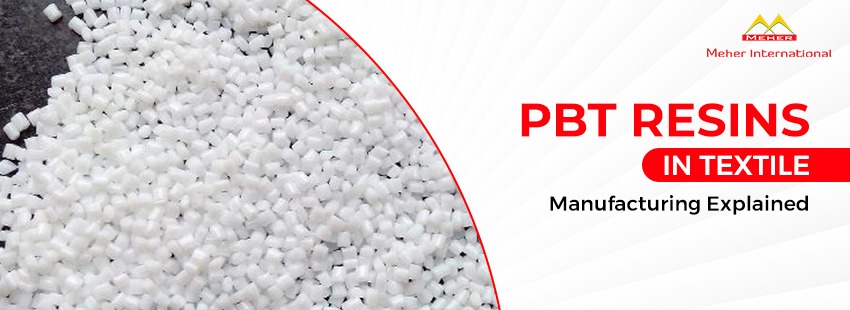
The textile industry is evolving rapidly with the use of advanced materials that offer better durability, flexibility, and performance. Among these materials, PBT resins have emerged as an important engineering polymer for modern textile and industrial applications.
Known scientifically as polybutylene terephthalate, PBT is valued for its excellent mechanical strength, dimensional stability, moisture resistance, and flexibility. These properties make it highly suitable for performance textiles, engineering components, and technical fabric applications.
As industries increasingly demand high-performance materials, companies like Meher International are helping manufacturers source reliable engineering polymers and textile-grade materials for diverse industrial needs.
This article explores the properties, applications, and advantages of PBT resins and explains why they are becoming essential in textile manufacturing and beyond.
What Are PBT Resins?
PBT stands for Polybutylene Terephthalate, a thermoplastic engineering polymer belonging to the polyester family.
It is created through the polymerization of:
- Terephthalic acid
- Butanediol
The resulting material is lightweight, strong, heat-resistant, and highly durable.
PBT is widely used in industries such as:
- Textile manufacturing
- Automotive
- Electronics
- Consumer goods
- Industrial engineering
Because of its performance characteristics, PBT is considered one of the most versatile engineering polymers available today.
Understanding Polybutylene Terephthalate
Polybutylene terephthalate combines the strength of polyester materials with the flexibility needed for technical applications.
Key Characteristics of Polybutylene Terephthalate
- High mechanical strength
- Excellent dimensional stability
- Low moisture absorption
- Good chemical resistance
- Heat resistance
- Electrical insulation properties
These features make PBT highly suitable for demanding industrial environments.
Why PBT Resins Matter in Textile Manufacturing
Modern textile applications require materials that can withstand:
- Repeated stretching
- Moisture exposure
- Heat
- Chemical contact
- Long-term wear and tear
Traditional textile materials sometimes struggle to meet these requirements.
PBT resins help manufacturers create performance-driven textiles with enhanced durability and functionality.
Major Properties of PBT Resins
Understanding the core properties of PBT helps explain why it is widely used in textile and industrial applications.
- Excellent Elastic Recovery
One of the biggest advantages of PBT is its elasticity.
PBT fibers can stretch and recover their original shape effectively. This makes them ideal for:
- Sportswear
- Swimwear
- Stretch fabrics
- Activewear textiles
Compared to many conventional fibers, PBT maintains flexibility over repeated usage.
- Low Moisture Absorption
PBT has very low water absorption characteristics.
Benefits Include:
- Faster drying fabrics
- Better dimensional stability
- Reduced fabric deformation
- Improved durability in humid conditions
This property makes PBT highly suitable for performance apparel and technical fabrics.
- High Chemical Resistance
PBT resins resist exposure to:
- Oils
- Solvents
- Chemicals
- Cleaning agents
This is important for industrial textile applications where fabrics may encounter harsh environments.
- Heat Resistance
PBT can maintain stability under elevated temperatures.
This makes it suitable for:
- Industrial applications
- Automotive textiles
- Technical components
- High-performance engineering uses
- Dimensional Stability
PBT maintains its structure and shape even under mechanical stress.
This helps improve:
- Fabric durability
- Product lifespan
- Structural consistency
- Lightweight Strength
PBT offers excellent strength without excessive weight.
This combination is especially valuable in:
- Sportswear
- Outdoor equipment
- Technical textiles
People also want to know about Advantages of PBT Resins: PBT Resins: The Backbone of Modern Engineering & Manufacturing
Applications of PBT Resins in Textile Manufacturing
PBT resins are increasingly being used in advanced textile products due to their flexibility and durability.
- Sportswear and Activewear
Athletic apparel demands:
- Stretchability
- Comfort
- Moisture management
- Durability
PBT fibers provide excellent elasticity and quick-drying performance, making them ideal for sportswear.
Common Products Include:
- Gym clothing
- Running apparel
- Yoga wear
- Compression garments
- Swimwear Fabrics
PBT fabrics are widely used in swimwear because they offer:
- Chlorine resistance
- Shape retention
- Fast drying
- Long-lasting elasticity
Compared to traditional elastane blends, PBT swimwear fabrics maintain performance for a longer period.
- Technical Textiles
Technical textiles require specialized materials that deliver performance under demanding conditions.
PBT is used in:
- Industrial fabrics
- Automotive textiles
- Reinforcement materials
- Protective fabrics
- Automotive Textile Applications
The automotive sector uses PBT-based materials for:
- Seat covers
- Interior fabrics
- Electrical insulation components
Its dimensional stability and heat resistance make it highly valuable in automotive manufacturing.
- Electrical and Engineering Applications
Beyond textiles, PBT is widely used in:
- Electrical connectors
- Engineering components
- Consumer electronics
- Industrial machinery parts
Its insulating properties and mechanical strength make it a preferred engineering polymer.
Advantages of PBT Resins Over Other Materials
PBT provides several advantages when compared to traditional textile and polymer materials.
Better Elastic Recovery Than Polyester
PBT offers more flexibility and resilience than standard polyester fibers.
Improved Chlorine Resistance
Unlike some stretch fabrics, PBT performs exceptionally well in chlorinated environments.
This is why it is commonly used in:
- Swimwear
- Sports textiles
- Water-exposed applications
Lower Moisture Absorption Than Nylon
PBT absorbs less moisture than nylon, helping fabrics dry faster and maintain dimensional stability.
Enhanced Durability
PBT materials maintain performance even after repeated use and washing cycles.
Growing Demand for Engineering Polymers
Industries worldwide are increasingly shifting toward high-performance engineering polymers.
The demand is growing in sectors such as:
- Technical textiles
- Automotive manufacturing
- Sports apparel
- Consumer products
- Industrial engineering
This growth is driven by the need for:
- Lightweight materials
- Durable products
- Improved efficiency
- Long-lasting performance
Importance of Reliable Polymer Suppliers
For manufacturers, selecting the right supplier is critical.
Businesses require suppliers who can provide:
- Consistent material quality
- Reliable delivery timelines
- Technical expertise
- Global logistics support
A dependable supplier helps ensure smooth production and better product performance.
How Meher International Supports Modern Textile Manufacturing
Meher International supplies advanced textile materials and engineering polymers to support modern industrial applications.
The company focuses on quality-driven sourcing and global supply solutions for manufacturers across industries.
Core Services Offered by Meher International
Engineering Polymer Supply
- PBT resins
- Textile-grade polymer materials
- Industrial polymer sourcing solutions
Textile Material Solutions
- High-performance yarn sourcing
- Technical textile support
- Industrial textile materials
Global Export Support
- International logistics management
- Export documentation assistance
- Reliable delivery networks
Benefits of Choosing Meher International
Consistent Product Quality
Reliable sourcing ensures stable performance and production efficiency.
Strong Global Supply Network
Efficient logistics support for international buyers.
Industry Expertise
Understanding of textile manufacturing and engineering polymer applications.
Competitive Pricing
Cost-effective sourcing solutions for global industries.
Future Trends in PBT and Engineering Polymers
The future of textile manufacturing is becoming more performance-focused and sustainable.
Emerging Trends Include:
- Sustainable engineering polymers
- Lightweight textile materials
- High-performance technical fabrics
- Advanced polymer blends
- Smart textile innovations
PBT is expected to play a major role in next-generation textile technologies.
Why Meher International Best for Best Yarn?
When businesses need reliable textile materials and engineering polymers, Meher International delivers trusted solutions.
Core Services
- PBT resin sourcing
- Technical textile material supply
- High-performance yarn solutions
- Global export and logistics support
Key Benefits
- Consistent material quality
- Reliable international supply chain
- Technical sourcing expertise
- Competitive global pricing
Features That Make Meher International Stand Out
- Wide industrial material portfolio
- Strong supplier partnerships
- Export-ready packaging and documentation
- Long-term customer relationships
Meher International supports businesses with dependable sourcing solutions for modern textile manufacturing.
Final Thoughts
PBT resins are transforming textile manufacturing by offering flexibility, durability, chemical resistance, and high-performance functionality.
From sportswear and swimwear to technical textiles and industrial engineering, polybutylene terephthalate continues to expand its role in modern industries.
As demand for advanced engineering polymers grows, manufacturers need reliable partners who understand quality, logistics, and industrial performance requirements.
Choose Meher International for Advanced Textile Material Solutions
Partner with Meher International for high-quality PBT resins and advanced textile materials tailored for industrial and technical applications.
Enhance product performance.
Improve manufacturing efficiency.
Build durable textile solutions.
Contact Meher International today to discover reliable engineering polymer and yarn solutions for your business.
🌐 Visit: www.meherinternational.com
📧 Email: info@meherinternational.com
📞 Call: +91 261 2328237
📍Address:- 8003 – World Trade Centre, Ring Road, Surat – 395 002, Gujarat, India.
