

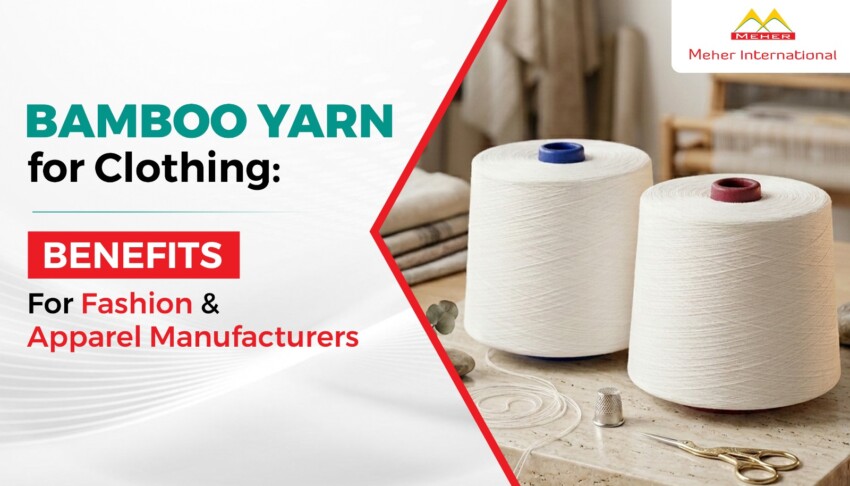
The fashion industry is changing. Consumers are paying more attention to what they wear, how it feels, and increasingly, what materials are used to make it.
For apparel manufacturers, this shift creates both an opportunity and a challenge.
They need fabrics that feel comfortable against the skin, look attractive, perform well during everyday use, and align with the growing demand for more responsible textile choices. At the same time, manufacturers need yarn that can work efficiently within their production requirements and deliver consistent results.
This is one reason bamboo yarn for clothing has gained attention across the textile and fashion industry.
Bamboo-based yarns are known for their soft feel, smooth appearance, breathability, and suitability for a variety of apparel applications. When sourced and processed responsibly, bamboo-based fibres can also support brands looking to explore more sustainable material options.
For fashion brands, garment manufacturers, textile mills, and fabric developers, bamboo yarn is therefore becoming more than an alternative fibre. It is becoming part of the conversation around the future of comfortable and responsible clothing.
What Is Bamboo Yarn?
Bamboo yarn is a textile yarn made from bamboo-derived cellulose. Bamboo is a rapidly renewable plant, but the term “bamboo yarn” can refer to fibres produced through different manufacturing processes.
This is important for manufacturers.
The environmental benefits of a bamboo-based textile depend not only on the plant itself but also on how the cellulose is processed into fibre and yarn.
Bamboo yarn can be developed for different textile applications and fabric constructions. Depending on its fibre characteristics and processing, it can be used in clothing, intimate apparel, activewear, home textiles, and other products where softness and comfort are important.
Why Is Bamboo Yarn Becoming Popular in Apparel?
The growing interest in bamboo yarn is closely connected to changing consumer expectations.
People increasingly want clothing that feels good throughout the day. They also want brands to demonstrate greater awareness of material choices.
For manufacturers, bamboo yarn can offer an interesting combination of comfort, softness, breathability, appearance, and versatility.
Here are some of the key benefits.
- Exceptional Softness for Comfortable Clothing
One of the biggest reasons manufacturers explore bamboo yarn is its soft hand feel.
Nobody wants clothing that feels rough, uncomfortable, or irritating against the skin. This becomes especially important for garments worn for long periods or products designed for sensitive skin.
Bamboo-based fabrics can provide a smooth and soft textile surface, making them suitable for products such as:
- T-shirts
- Innerwear
- Sleepwear
- Baby clothing
- Loungewear
- Casual wear
- Lightweight fashion garments
For brands positioned around comfort, softness can become a meaningful product advantage.
- Breathability for Everyday Apparel
Clothing needs to do more than look good.
For everyday wear, the ability of a fabric to support comfort in different conditions is equally important.
Bamboo-based textile materials are often valued for their breathable and moisture-managing characteristics. This makes bamboo yarn particularly interesting for garments intended for warm climates, daily wear, and close-to-skin applications.
For apparel manufacturers, this opens opportunities to develop clothing that feels lighter and more comfortable.
This can be especially relevant in markets where consumers regularly experience warm or humid weather.
- Moisture Management and Comfort
Sweat and moisture can significantly affect how comfortable clothing feels.
Materials used in activewear, innerwear, sleepwear, and everyday clothing need to manage moisture effectively to maintain a comfortable wearing experience.
Bamboo-based fibres can offer moisture-management characteristics that make them attractive for selected apparel applications.
Manufacturers can therefore explore bamboo yarn for activewear, casualwear, underwear, and comfort-focused clothing depending on the specific yarn and fabric construction.
- A Natural-Looking Textile Appeal
Today’s consumers often respond to materials that communicate a sense of simplicity and natural living.
Bamboo fits naturally into this aesthetic.
Its association with a plant-based raw material can complement fashion collections built around:
- Natural aesthetics
- Minimalist design
- Conscious fashion
- Comfort-focused clothing
- Sustainable fashion positioning
For fashion brands, this can provide another storytelling opportunity around the material used in a garment.
However, brands should communicate sustainability claims accurately rather than assuming that every bamboo textile automatically has the same environmental profile.
- Good Choice for Skin-Friendly Clothing
Softness is particularly important for clothing that stays in direct contact with the skin.
This is why bamboo-based yarns can be considered for products such as babywear, underwear, sleepwear, and loungewear.
A soft fabric can improve the overall wearing experience and make comfort a stronger part of the product proposition.
For apparel manufacturers, this creates opportunities to develop collections where comfort is the main selling point rather than simply an additional feature.
Bamboo Yarn for Different Types of Clothing
The versatility of bamboo yarn makes it relevant to several apparel categories.
Bamboo Yarn for T-Shirts
T-shirts need to balance comfort, softness, breathability, and everyday practicality.
Bamboo-based yarn can be considered for lightweight T-shirts where a soft hand feel and comfortable fabric are priorities.
Bamboo Yarn for Innerwear
Innerwear comes into direct contact with the skin, making softness and moisture management especially important.
Bamboo yarn can be explored for underwear and related intimate apparel applications where comfort is central to the product.
Bamboo Yarn for Activewear
Performance requirements vary considerably across activewear products.
Depending on the yarn specification and fabric construction, bamboo-based materials can contribute to comfortable sports and leisure garments where breathability and moisture management are valued.
For demanding performance applications, manufacturers should evaluate the specific yarn rather than relying only on the general characteristics of bamboo fibre.
Bamboo Yarn for Baby Clothing
Parents are particularly conscious about the feel of fabrics used for babies and young children.
Soft, comfortable textile materials are therefore attractive for babywear, blankets, and other close-to-skin products.
Bamboo Yarn for Sleepwear and Loungewear
The rise of comfort-focused fashion has increased demand for fabrics that feel soft and relaxed.
Bamboo yarn can fit naturally into sleepwear and loungewear collections designed around comfort and everyday ease.
Is Bamboo Yarn Really Sustainable?
This is one of the most important questions for manufacturers.
Bamboo itself is a rapidly renewable plant, but bamboo fibre production is not automatically sustainable simply because the raw material is bamboo.
The manufacturing process matters.
Some bamboo textiles are produced by converting bamboo cellulose into regenerated fibres using chemical processing. Therefore, manufacturers and brands should consider the complete supply chain, including:
- Source of bamboo
- Forestry and cultivation practices
- Fibre manufacturing process
- Chemical management
- Water and energy use
- Waste management
- Certifications and traceability
- Supplier transparency
For businesses promoting sustainable bamboo yarn, responsible sourcing and accurate communication are essential.
A credible supplier should be able to provide clear information about the product rather than relying only on broad sustainability claims.
Why Yarn Quality Matters for Apparel Manufacturers?
Choosing a fibre is only the beginning.
The final quality of an apparel product also depends on yarn consistency, manufacturing processes, fabric construction, dyeing, finishing, and garment production.
This is why apparel manufacturers should evaluate bamboo yarn based on the actual requirements of their product.
Important considerations include:
Yarn Specification
The yarn count, construction, strength, elongation, and other technical characteristics should match the intended application.
Consistency
Batch-to-batch consistency is essential for manufacturers working on repeat orders.
Inconsistent yarn can affect fabric appearance, processing, dyeing, and final garment quality.
Application Suitability
A yarn suitable for a lightweight T-shirt may not automatically be suitable for another textile application.
The right choice depends on the fabric structure, machinery, garment design, and required performance.
Supply Reliability
A good yarn product is of limited value if supply is unpredictable.
Manufacturers need dependable sourcing to maintain production schedules and meet customer commitments.
Bamboo Yarn and the Future of Sustainable Fashion
The fashion industry is unlikely to move toward a single “perfect” fibre.
Instead, the future will involve a broader selection of materials, each chosen according to the performance, comfort, design, and sustainability requirements of the final product.
Bamboo yarn has a role in this changing landscape because it offers manufacturers another route toward developing soft, comfortable, plant-derived textile products.
Its future growth will depend on improvements in responsible processing, traceability, fibre innovation, and consumer understanding.
For fashion manufacturers, the opportunity is not simply to use bamboo because it sounds sustainable.
The smarter approach is to understand the material, verify its sourcing, and select the right bamboo yarn for the intended application.
What Should Apparel Manufacturers Look for When Buying Bamboo Yarn?
If you are planning to buy bamboo yarn for clothing, consider more than the quoted price.
Ask potential suppliers about:
- Yarn specifications
- Fibre composition
- Intended applications
- Quality consistency
- Available counts and constructions
- Testing and quality documentation
- Production capacity
- Minimum order requirements
- Lead times
- Packaging and shipment
- Sourcing and traceability information
A supplier who understands these requirements can help reduce uncertainty during product development and bulk procurement.
How Meher International Helps Textile and Apparel Buyers?
For businesses sourcing yarn internationally, finding the right product is only one part of the challenge.
Manufacturers also need dependable communication, product knowledge, quality-focused sourcing, and supply support.
Meher International helps textile businesses explore yarn solutions suited to different manufacturing and apparel requirements.
The focus is on connecting buyers with suitable textile materials while supporting a smoother sourcing process.
For manufacturers exploring bamboo yarn suppliers, Meher International can be a valuable sourcing partner for businesses looking to evaluate yarn options according to application and quality requirements.
Its broader yarn sourcing approach can support businesses looking for materials across different textile segments rather than limiting them to a single product category.
Why Meher International Is the Right Choice for Quality Yarn?
When you are producing clothing at scale, the yarn you choose becomes part of your product’s reputation.
A consistent yarn can help support consistent fabric. A suitable yarn can make production easier. And a reliable supplier can help you plan your sourcing with greater confidence.
Meher International combines quality-focused yarn sourcing, international supply support, application-oriented product selection, and business-focused customer service to help textile buyers make informed decisions.
Why choose Meher International?
- Quality-focused yarn sourcing for textile and apparel manufacturers
- Wide range of yarn solutions for different applications
- International sourcing and supply support
- Application-based product guidance
- Focus on consistent quality and reliable supply
- Responsive communication for global buyers
- Long-term business partnership approach
- Solutions for evolving textile and fashion requirements
Whether you are developing a new sustainable clothing collection, sourcing yarn for regular apparel production, or exploring alternatives for comfort-focused textiles, choosing the right supplier matters.
Looking for the right bamboo yarn for your next collection?
Don’t choose yarn based on a label alone.
Choose a sourcing partner that understands quality, application, consistency, and supply.
For bamboo yarn and other textile yarn requirements, connect with Meher International and source with confidence for your next apparel or textile project.
🌐 Visit: www.meherinternational.com
📧 Email: info@meherinternational.com
📞 Call: +91 261 2328237
📍Address:- 8003 – World Trade Centre, Ring Road, Surat – 395 002, Gujarat, India.
