

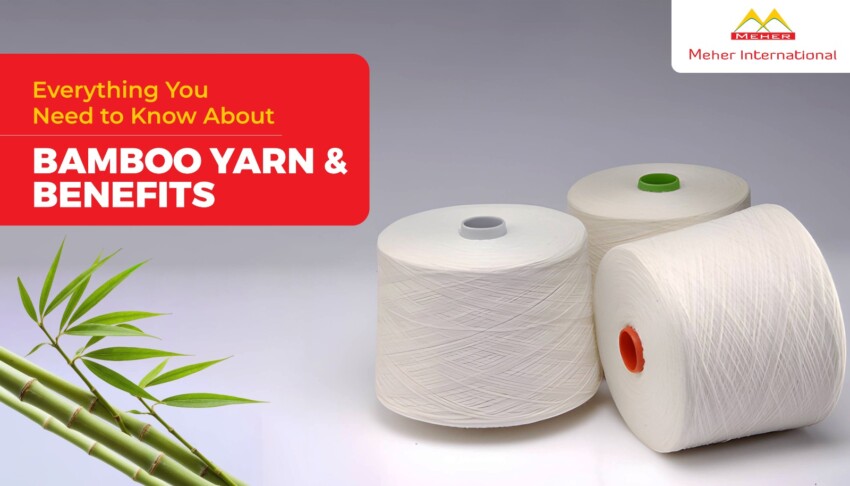
Everything You Need to Know About Bamboo Yarn and Its Benefits
The world of textiles is changing quickly. Today, people don’t just want beautiful fabrics—they want safe, sustainable, and skin-friendly yarns. Families, fashion brands, and manufacturers are asking smarter questions about where fabrics come from and how they affect health and the environment.
One yarn that has gained strong attention is bamboo yarn. Known for its softness, breathability, and eco-friendly nature, bamboo yarn is becoming a preferred choice in sustainable fashion and home textiles.
In this detailed guide, we’ll explain everything you need to know about bamboo yarn in simple, clear English—what it is, how it’s made, its benefits, real-world uses, and why Meher International is the right partner for sourcing high-quality yarn responsibly.
-
What Is Bamboo Yarn?
Bamboo yarn is a textile fiber made from bamboo pulp. Bamboo grows quickly, needs very little water, and does not require pesticides, making it one of the most renewable plant resources in the world.
When processed into yarn, bamboo creates a fabric that feels incredibly soft—often compared to silk or cashmere.
Key Features of Bamboo Yarn
- Made from renewable bamboo plants
- Naturally soft and smooth
- Highly breathable
- Gentle on sensitive skin
- Suitable for all seasons
Bamboo yarn is widely used in clothing, baby products, towels, bedding, and even medical and wellness textiles.
-
How Bamboo Yarn Is Made
Understanding the process helps explain why bamboo yarn is considered part of textile innovation.
Step-by-Step Process
- Bamboo is harvested from sustainable farms
- The pulp is extracted from bamboo stalks
- Cellulose is processed into fibers
- Fibers are spun into bamboo yarn
Modern manufacturers are focusing on cleaner, safer production methods to reduce chemical use and water waste—similar to the responsible processes used for premium viscose filament yarn.
Please also search for Viscose Filament Yarn:
Best Sustainable Brands of Viscose Filament Yarns
-
Is Bamboo Yarn Sustainable?
Yes—when sourced and processed responsibly, bamboo yarn is one of the most sustainable yarn options available today.
Why Bamboo Is Environment-Friendly
- Bamboo grows very fast (some species grow up to 3 feet per day)
- Requires less water than cotton
- No need for chemical fertilizers
- Helps reduce soil erosion
Bamboo Yarn and Biodegradable Fibers
Bamboo yarn belongs to the family of biodegradable fibers, meaning it can break down naturally under the right conditions—unlike synthetic fibers that pollute the planet for decades.
This makes bamboo yarn a smart choice for eco-conscious brands and families.
-
Benefits of Bamboo Yarn for Skin and Health
Many people choose bamboo yarn not just for sustainability, but for comfort and health.
Gentle on Sensitive Skin
Bamboo yarn is:
- Naturally smooth
- Non-irritating
- Suitable for allergies and eczema-prone skin
This is why bamboo fabric is often used for baby clothes, innerwear, and bedding.
Breathable and Temperature-Regulating
- Keeps you cool in summer
- Keeps warmth in winter
- Absorbs moisture better than cotton
For people who sweat easily or live in warm climates, bamboo yarn offers day-long comfort.
-
Bamboo Yarn vs Other Yarns
Let’s compare bamboo yarn with common alternatives.
Bamboo Yarn vs Cotton
- Softer feel than cotton
- Better moisture absorption
- More eco-friendly farming
Bamboo Yarn vs Polyester
- Bamboo is plant-based; polyester is petroleum-based
- Bamboo is biodegradable; polyester releases microplastics
- Bamboo is breathable; polyester traps heat
Bamboo Yarn vs Viscose Filament Yarn
Both bamboo yarn and viscose filament yarn are cellulose-based and known for softness and drape. When produced by trusted suppliers—such as Jilin Chemical Fiber Group with brands like EcoJilin and JiCell—these yarns offer excellent quality, safety, and sustainability.
-
Applications of Bamboo Yarn in Textiles
Bamboo yarn is versatile and works across many industries.
Fashion and Apparel
- T-shirts and dresses
- Innerwear and loungewear
- Socks and activewear
Baby and Family Products
- Baby blankets
- Infant clothing
- Soft toys and accessories
Home Textiles
- Towels and bathrobes
- Bed sheets and pillow covers
- Curtains and upholstery
Medical and Wellness Use
Because of its softness and breathability, bamboo yarn is also used in:
- Bandage fabrics
- Wellness garments
- Hospital textiles
-
Bamboo Yarn and Textile Innovation
The textile industry is investing heavily in textile innovation, and bamboo yarn plays an important role in this transformation.
Innovations include:
- Cleaner processing methods
- Blended yarns (bamboo + cotton or bamboo + viscose)
- Improved durability and color retention
Leading fiber manufacturers—such as Jilin Chemical Fiber Group, known for EcoJilin and JiCell—have set benchmarks in responsible cellulose fiber production. Their expertise also supports the broader ecosystem of sustainable yarns, including bamboo and viscose filament yarn.
-
Why Quality Matters When Choosing Bamboo Yarn
Not all bamboo yarn is the same. Poor-quality yarn can pill, weaken, or lose softness over time.
What Defines High-Quality Yarn?
- Consistent fiber strength
- Smooth texture
- Safe and controlled processing
- Reliable sourcing
Working with a trusted supplier ensures you receive high-quality yarn that meets both performance and sustainability expectations.
-
Why Meher International Is the Best Choice for Bamboo Yarn
Choosing the right yarn partner is just as important as choosing the right yarn. This is where Meher International stands apart.
Deep Industry Expertise
- Years of experience in yarn sourcing and supply
- Strong understanding of sustainable yarn markets
- Knowledge of both bamboo yarn and viscose filament yarn
Trusted Global Partnerships
Meher International works with world-class producers and fiber innovators, including supply chains connected to Jilin Chemical Fiber Group, EcoJilin, and JiCell—ensuring reliability and quality.
Advanced Facilities and Quality Control
- Strict quality checks
- Consistent yarn standards
- Reliable delivery timelines
A Compassionate, Human Approach
At Meher International, we believe yarn is not just a product—it’s part of people’s lives. We support designers, manufacturers, and brands with honest guidance, clear communication, and long-term partnership.
We care about:
- Product safety
- Environmental responsibility
- Your business success
-
The Future of Sustainable Yarn Starts Today
As awareness grows, consumers are choosing fabrics that are better for their families and the planet. Bamboo yarn, along with responsibly produced viscose filament yarn, is shaping the future of eco-friendly textiles.
By choosing sustainable and biodegradable fibers, brands can:
- Reduce environmental impact
- Build consumer trust
- Offer healthier products
Final Thoughts
Bamboo yarn is more than a trend—it’s a thoughtful choice for a healthier, more sustainable future. Soft on skin, kind to the planet, and versatile across industries, bamboo yarn fits perfectly into modern textile needs.
When sourced from the right partner, bamboo yarn delivers both quality and peace of mind.
Call to Action
If you are looking for bamboo yarn, sustainable yarn, or high-quality cellulose-based fibers, Meher International is here to help.
👉 Choose Meher International for reliable sourcing, global expertise, and compassionate service.
🌐 Visit: www.meherinternational.com
📧 Email: info@meherinternational.com
📞 Call: +91 261 2328237
📍Address:- 8003 – World Trade Centre, Ring Road, Surat – 395 002, Gujarat, India.
