

Introduction
The textile industry is constantly evolving, with manufacturers looking for materials that offer comfort, quality, versatility, and attractive fabric finishes. Among the many fibres available today, viscose filament yarn has become an important choice for textile manufacturers across different industries.
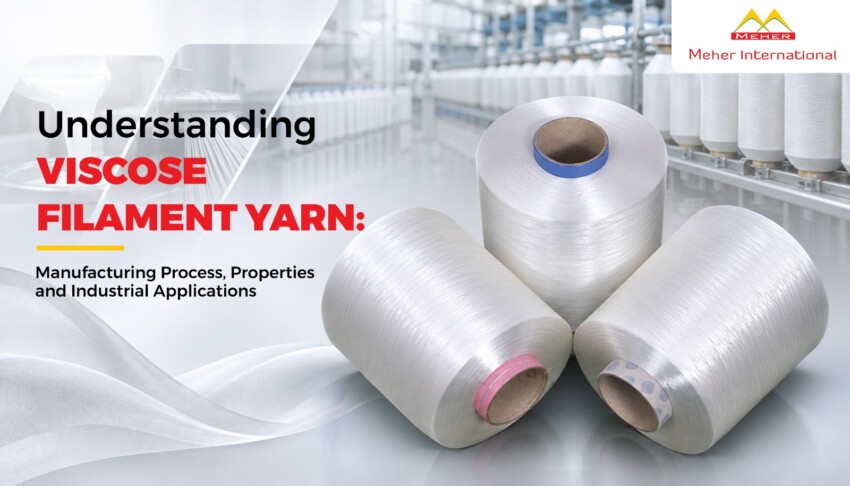
Known for its smooth texture, soft feel, and attractive appearance, viscose filament yarn combines the characteristics of a regenerated cellulosic fibre with the continuous structure of filament yarn. It is widely used in apparel, home textiles, fashion fabrics, and other textile applications.
For manufacturers, understanding how viscose filament yarn is produced and what makes it different from other yarn varieties is essential. The right yarn selection can influence fabric quality, production efficiency, appearance, and overall product performance.
But what exactly is viscose filament yarn? How is it manufactured? What are its major properties, and where is it used?
In this guide, we will explain the viscose filament yarn manufacturing process, its important properties, advantages, and industrial applications in simple terms. We will also explore how businesses such as Meher International support textile manufacturers with viscose filament yarn sourcing and product solutions.
What Is Viscose Filament Yarn?
Viscose filament yarn is a regenerated cellulosic yarn manufactured using cellulose obtained from natural plant-based sources, commonly wood pulp or other suitable cellulose-rich materials.
Unlike natural fibres such as cotton, which are obtained directly from plants, viscose is produced through a controlled chemical and mechanical manufacturing process. During this process, cellulose is converted into a spinning solution and then regenerated into continuous filaments.
These filaments are combined to create viscose filament yarn.
The result is a textile material known for its:
- Smooth and soft surface.
- Attractive lustre and drape.
- Good moisture absorption.
- Comfortable feel against the skin.
- Versatility in textile manufacturing.
- Ability to produce lightweight and flowing fabrics.
Viscose filament yarn is available in different specifications, including various deniers, filament counts, and lustre options, depending on the intended application.
It is important to understand that viscose filament yarn is different from viscose staple fibre. Filament yarn consists of continuous filaments, whereas staple fibre consists of shorter fibres that are generally spun together to produce yarn.
This difference influences fabric texture, appearance, and manufacturing applications.
How Is Viscose Filament Yarn Manufactured?
The viscose filament yarn manufacturing process involves several stages. Each stage plays an important role in determining the final yarn’s quality, strength, uniformity, and appearance.
The conventional viscose process is also known as the viscose or xanthate process.
Let’s understand the major manufacturing steps.
1. Raw Material Selection and Cellulose Extraction
The manufacturing process begins with selecting suitable cellulose-rich raw materials.
Common sources include:
- Wood pulp from suitable tree species.
- Bamboo-derived cellulose.
- Cotton linters, which are short fibres remaining on cottonseeds after ginning.
The selected raw material is processed to remove unwanted substances such as lignin, hemicellulose, and other impurities.
The aim is to obtain purified cellulose that can be used to produce high-quality viscose filament yarn.
The quality and characteristics of the raw material can influence the consistency and performance of the final yarn.
2. Steeping and Alkali Treatment
In this stage, purified cellulose is treated with sodium hydroxide, commonly known as caustic soda.
This treatment converts cellulose into alkali cellulose and makes it more suitable for further chemical processing.
The excess liquid is removed, and the treated cellulose is shredded into smaller pieces.
This helps prepare the material for the next manufacturing stage.
3. Ageing and Xanthation
After alkali treatment, the cellulose undergoes controlled ageing.
Ageing helps adjust the molecular structure and viscosity of the material to achieve the desired processing characteristics.
The aged alkali cellulose is then treated with carbon disulphide in a process known as xanthation.
This reaction produces cellulose xanthate, a material that can dissolve in a dilute sodium hydroxide solution.
The resulting solution is known as viscose.
4. Dissolving, Filtration and Ripening
The cellulose xanthate is dissolved in a suitable sodium hydroxide solution to create a thick, viscous liquid.
Before spinning, this solution undergoes several important treatments.
- Dissolving: Ensures the cellulose xanthate is properly dissolved.
- Filtration: Removes unwanted particles and impurities.
- Ripening: Helps achieve the required viscosity and spinning characteristics.
- Degassing: Removes trapped air bubbles that could affect filament quality.
These steps are important because an inconsistent spinning solution may result in uneven filaments and defects in the final yarn.
5. Wet Spinning and Filament Formation
This is one of the most important stages in viscose filament yarn manufacturing.
The prepared viscose solution is passed through a specialised component called a spinneret. A spinneret contains tiny openings through which the liquid is extruded.
As the solution enters a chemical coagulation bath, the cellulose regenerates and forms continuous solid filaments.
This process is known as wet spinning.
The number and size of spinneret openings help determine the filament structure and contribute to the final yarn specifications.
Unlike staple fibre manufacturing, where the fibres are cut into short lengths, viscose filament yarn is produced as continuous filaments.
6. Washing, Stretching and Finishing
After filament formation, the newly produced filaments undergo several post-treatment processes.
These include:
- Washing: Removes residual chemicals from the filaments.
- Desulphurisation: Helps remove sulphur-containing residues.
- Bleaching: Used where the required product specification calls for it.
- Stretching: Helps develop the desired mechanical properties.
- Finishing: Improves handling and prepares the yarn for further textile processing.
The filaments are then dried and wound onto suitable packages or bobbins.
The finished viscose filament yarn is inspected for quality, uniformity, and other required specifications before being supplied to textile manufacturers.
The exact manufacturing conditions and finishing treatments may vary depending on the production technology and intended yarn type.
Key Properties of Viscose Filament Yarn
Viscose filament yarn is valued for its combination of softness, appearance, and functional properties.
Understanding these characteristics helps manufacturers decide whether it is suitable for their products.
1. Soft and Smooth Texture
One of the main reasons manufacturers choose viscose filament yarn is its smooth and soft surface.
It provides a comfortable feel and can create fabrics with an attractive finish.
This makes it suitable for garments, fashion fabrics, and applications where fabric touch and appearance matter.
2. High Moisture Absorption
Viscose is a cellulosic fibre with good moisture absorption properties.
It can absorb moisture from the surrounding environment, making it suitable for comfortable textile applications.
This property is particularly useful in clothing and selected home textile products.
3. Attractive Lustre and Appearance
Viscose filament yarn is available in different lustre options.
Depending on the manufacturing process and product specification, it can offer:
- Bright lustre for a shiny appearance.
- Semi-dull or low-lustre options.
- Dull finishes for a more subtle look.
These variations allow textile manufacturers to develop fabrics with different visual effects.
4. Excellent Drapability
Viscose filament yarn can produce fabrics with a soft and flowing drape.
This characteristic makes it useful for fashion garments, sarees, dress materials, linings, and decorative textiles.
5. Good Dye Absorption
Viscose has good dye absorption characteristics and can be processed into fabrics with attractive colours.
This makes it useful for fashion manufacturers who require different shades, colour effects, and textile finishes.
However, the final dyeing performance depends on yarn specifications and processing conditions.
6. Versatile Blending Potential
Viscose filament yarn can be combined with other fibres to create different fabric properties.
Potential blending and combination options include:
- Cotton.
- Silk.
- Linen.
- Bamboo-derived fibres.
- Other suitable synthetic or natural fibres.
The choice depends on the manufacturing process and the desired performance of the final fabric.
People also want to Choose the Right Yarn Supplier in India related information : How to Choose the Right Yarn Supplier in India? : 8 Factors Textile Manufacturers Should Consider
Industrial Applications of Viscose Filament Yarn
The versatility of viscose filament yarn makes it suitable for several textile manufacturing applications.
Let’s look at some of its common uses.
1. Apparel and Fashion Industry
The fashion and apparel sector is one of the important application areas for viscose filament yarn.
Its soft feel, attractive lustre, and flowing appearance make it suitable for:
- Women’s dresses and fashion garments.
- Blouses and shirts.
- Sarees and dress materials.
- Lightweight fashion fabrics.
- Garment linings.
- Decorative clothing fabrics.
Fashion manufacturers use different deniers and lustre options depending on the desired fabric structure and appearance.
2. Embroidery and Decorative Textiles
Viscose filament yarn is also used in embroidery and decorative textile applications.
Its smooth surface and attractive shine can create visually appealing designs.
It is suitable for selected applications involving:
- Decorative embroidery.
- Fashion embellishments.
- Textile patterns.
- Ornamental stitching.
- Decorative fabric details.
The appropriate yarn specification depends on the embroidery machinery, design, and required thread performance.
3. Home Furnishing and Interior Textiles
Home furnishing manufacturers use viscose filament yarn in products where appearance, softness, and drape are important.
Potential applications include:
- Decorative fabrics.
- Curtains and drapery.
- Cushion covers.
- Upholstery blends.
- Furnishing materials.
The yarn selection should consider the intended use, abrasion requirements, maintenance conditions, and expected fabric durability.
4. Blended and Speciality Fabrics
Viscose filament yarn can be combined with other suitable materials to develop speciality fabrics.
Blending allows manufacturers to balance different characteristics, such as:
- Softness and strength.
- Appearance and texture.
- Drape and structure.
- Comfort and durability.
For example, combining viscose with other fibres may help create fabrics that offer a particular balance of aesthetic and functional properties.
5. Industrial and Technical Textile Applications
Certain specially engineered viscose filament yarns are also used in technical textile applications.
For example, high-tenacity viscose filament products have been used in specialised reinforcement applications, including selected tyre-cord applications.
However, ordinary apparel-grade viscose filament yarn should not be considered interchangeable with engineered industrial-grade yarn. Manufacturers must select products according to the required mechanical performance and technical specifications.
Different Types and Specifications of Viscose Filament Yarn
Viscose filament yarn is available in different specifications to meet the requirements of textile manufacturers.
Understanding these specifications helps buyers select the right product for their production processes.
1. Yarn Denier
Denier refers to the weight in grams of 9,000 metres of yarn.
Different denier options provide different yarn thicknesses and characteristics.
For example, Meher International offers viscose filament yarn in specifications such as 30D, 40D, 50D, 75D, 100D, and 120D, along with other options.
2. Filament Count
Filament count refers to the number of individual continuous filaments within a yarn.
For example:
- 75D/24F means 75 denier with 24 filaments.
- 100D/40F means 100 denier with 40 filaments.
Different filament counts can influence the yarn’s texture, surface appearance, and fabric characteristics.
3. Lustre Options
Depending on the application, manufacturers can select different lustre options, including:
- Bright (BRT).
- Semi-dull.
- Dull.
These options help textile manufacturers achieve different fabric appearances.
4. Speciality Viscose Filament Yarn
Apart from regular specifications, speciality options are available for specific textile applications.
These may include:
- Less-filament yarn.
- Microfilament yarn.
- Silky filament yarn.
- Dope-dyed viscose filament yarn.
- Centrifugal and other specialised yarn variants.
Choosing the right specification depends on your machinery, fabric design, and end-use requirements.
How to Choose the Right Viscose Filament Yarn Supplier in India
Selecting the right supplier is just as important as choosing the right yarn.
A dependable supplier helps manufacturers maintain consistent product quality, manage procurement costs, and avoid unnecessary production interruptions.
Before purchasing viscose filament yarn in bulk, consider these factors:
- Product quality: Check yarn uniformity, strength, appearance, and consistency.
- Product specifications: Ensure the supplier offers the required denier, filament count, and lustre.
- Manufacturing source: Understand where the yarn is produced and how it is sourced.
- Sustainability: Check the availability and validity of relevant sustainability certifications.
- Supply capacity: Confirm whether the supplier can meet your regular and bulk requirements.
- Technical support: Look for suppliers who can help you select appropriate yarn specifications.
- Commercial terms: Discuss pricing, minimum order quantities, payment conditions, and delivery schedules.
Requesting samples before placing a large order is also a practical way to evaluate whether the yarn suits your manufacturing process.
Why Choose Meher International for Viscose Filament Yarn?
Finding a reliable viscose filament yarn supplier in India can make a significant difference to your textile business.
Meher International has been involved in textile raw material sourcing and supply since 2002.
The company is an authorised channel partner of
Jilin Chemical Fiber Group in India, providing access to its range of viscose filament yarn products.
Here are some important aspects of Meher International’s viscose filament yarn offerings.
1. Wide Range of Viscose Filament Yarn
Meher International supplies different viscose filament yarn specifications to meet diverse textile manufacturing requirements.
Its product portfolio includes:
- Regular denier viscose filament yarn.
- Less-filament yarn.
- Microfilament yarn.
- Silky filament yarn.
- Dope-dyed yarn.
- Different lustre options.
This variety allows manufacturers to explore suitable products for fashion, embroidery, and home furnishing applications.
2. Sustainable Viscose Yarn Options
Meher International offers access to several Jilin viscose filament yarn brands, including:
- JiCell: Made using certified wood pulp with traceability features.
- JiReCell: Uses recycled pulp combined with certified wood pulp.
- White Mountain: Focuses on high-quality cellulose-based yarn.
- EcoJilin: Uses cotton linters as a cellulose source.
These options give textile manufacturers opportunities to explore alternative cellulose sources and recycled raw materials.
Buyers should check individual product documentation and applicable certifications when evaluating sustainability claims.
3. International Sourcing Experience
Meher International works with domestic and international textile markets.
Its sourcing network and association with Jilin Chemical Fiber Group help bring different viscose filament yarn solutions to Indian textile manufacturers.
4. Support for Different Manufacturing Requirements
Different textile applications require different yarn specifications.
Meher International offers a range of deniers, filament counts, and lustre options, helping manufacturers explore suitable materials for their production needs.
To learn more, visit the official website: Explore Meher International’s Viscose Filament Yarn
Frequently Asked Questions (FAQs)
1. What is viscose filament yarn made from?
Viscose filament yarn is made from regenerated cellulose, commonly obtained from wood pulp, bamboo-derived cellulose, or cotton linters. The cellulose is processed into a spinning solution and regenerated into continuous filaments.
2. What is the difference between viscose filament yarn and viscose staple fibre?
Viscose filament yarn consists of continuous filaments, while viscose staple fibre consists of shorter fibres. Filament yarn can be used directly in textile manufacturing, whereas staple fibres are generally spun into yarn before fabric production.
3. Is viscose filament yarn suitable for clothing?
Yes. Its soft texture, moisture absorption, smooth surface, and attractive drape make it suitable for different apparel applications, including dresses, sarees, blouses, and fashion fabrics.
4. What are the main properties of viscose filament yarn?
The main properties include softness, smoothness, moisture absorption, good dyeability, attractive lustre, and excellent drapability. Its exact mechanical performance depends on the yarn specification and manufacturing process.
5. Is viscose filament yarn sustainable?
Viscose is made from regenerated cellulose, but its environmental impact depends on raw material sourcing, chemical management, energy consumption, and manufacturing practices. Certified and traceable sourcing options can help manufacturers make more informed purchasing decisions.
6. Where can I buy viscose filament yarn in India?
Textile manufacturers can explore viscose filament yarn options through established suppliers such as Meher International. Visit its website to review available specifications and submit a product enquiry.
Conclusion: Explore Quality Viscose Filament Yarn with Meher International
Viscose filament yarn plays an important role in modern textile manufacturing because of its soft texture, attractive appearance, moisture absorption, and versatile applications.
From fashion garments and embroidery to home furnishings and specialised industrial textiles, it offers manufacturers several possibilities for developing different fabric products.
Understanding the viscose filament yarn manufacturing process, properties, specifications, and industrial applications can help businesses make better raw material decisions.
However, choosing the right yarn is only one part of the process. Working with an experienced and dependable supplier is equally important for maintaining consistent quality and smooth procurement.
Looking for a reliable viscose filament yarn supplier in India?
Choose Meher International for a diverse range of viscose filament yarn solutions backed by industry experience and its association with Jilin Chemical Fiber Group.
Whether you require regular denier yarn, microfilament yarn, silky filament yarn, or sustainable viscose yarn options, Meher International can help you explore suitable products for your textile manufacturing requirements.
Contact Meher International today to discuss your requirements and request a quotation.
- Website: https://meherinternational.com/
- Product page: https://meherinternational.com/viscose-filament-yarn/
- Email: info@meherinternational.in
- Phone: +91 261 2328237
Meher International – Your Trusted Partner for Quality Viscose Filament Yarn Solutions.
